Resin Vs Traditional Driveways:
Which Surface Truly Transforms A Home?
A clear, practical guide to choosing the right surface for your home
Updated: 16 November 2025

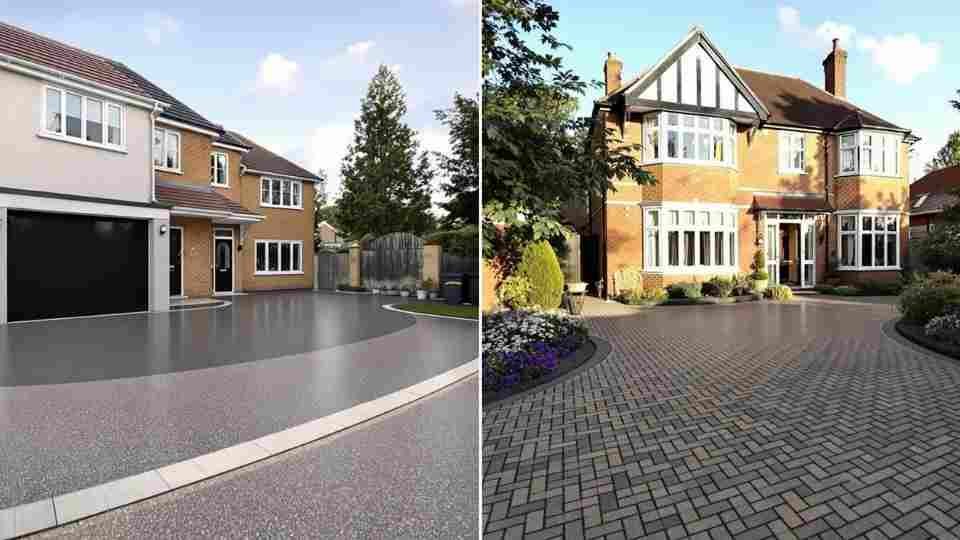
A quick visual of how resin and traditional driveway surfaces sit side by side.
Driveways influence far more than kerb appeal. They affect drainage, safety underfoot, upkeep, and the overall feel of arriving home. With choices ranging from asphalt to block paving, concrete, gravel and resin, it is easy to default to habit or price rather than long-term value.
This overview sets out the key differences using UK-focused data on cost, lifespan, drainage and performance, a simple, clear breakdown to support confident decision-making.
The right driveway lifts a property instantly. The wrong one pulls everything down. This guide compares resin with asphalt, block paving, concrete and gravel so homeowners can choose a surface that looks smarter, drains better and performs well year after year.
Driveways influence more than kerb appeal. They affect drainage, safety underfoot, upkeep and the feeling you get every time you arrive home. With so many choices it is tempting to follow habit or headline price rather than long term value. This overview sets out the key differences using simple comparisons on cost, lifespan, drainage and performance so it is easier to make a confident decision.
“Quality is never an accident. It is always the result of intelligent effort.”
– John Ruskin
What Counts As A “Traditional” Driveway Surface?

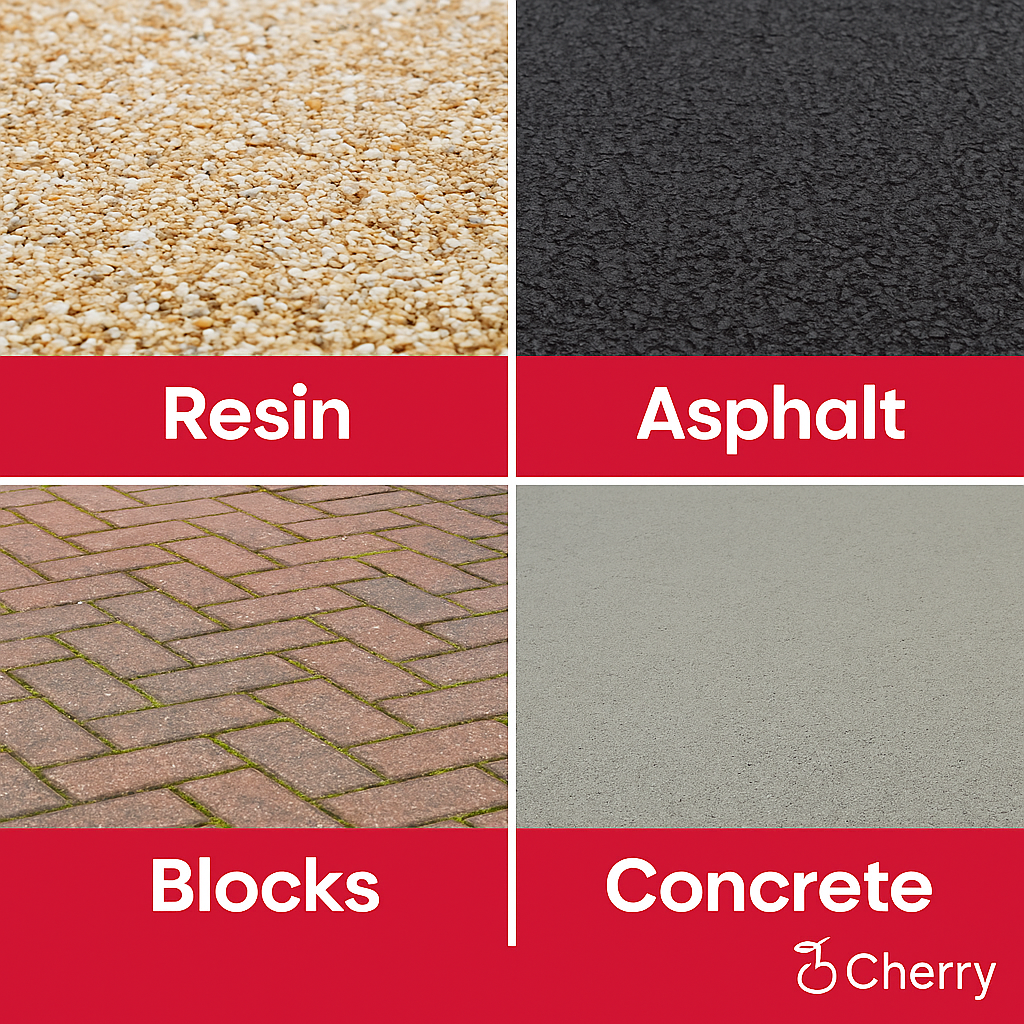
Traditional driveway materials still seen on many streets across the UK.
The main alternatives to resin bound surfacing across the UK are:
- Asphalt – durable, familiar and usually the lowest cost solid option.
- Block paving – concrete or clay blocks laid in patterns, often with contrasting borders.
- Poured or imprinted concrete – a single slab that can be coloured or stamped with patterns.
- Gravel – loose stone laid over a compacted base, often chosen for long drives and rural plots.
Each surface has strengths, depending on the home, layout, drainage needs and style of the property. Resin bound sits in the premium but practical space where appearance, comfort and low maintenance all matter together, especially for lived-in family homes.
Resin Vs Traditional: At A Glance

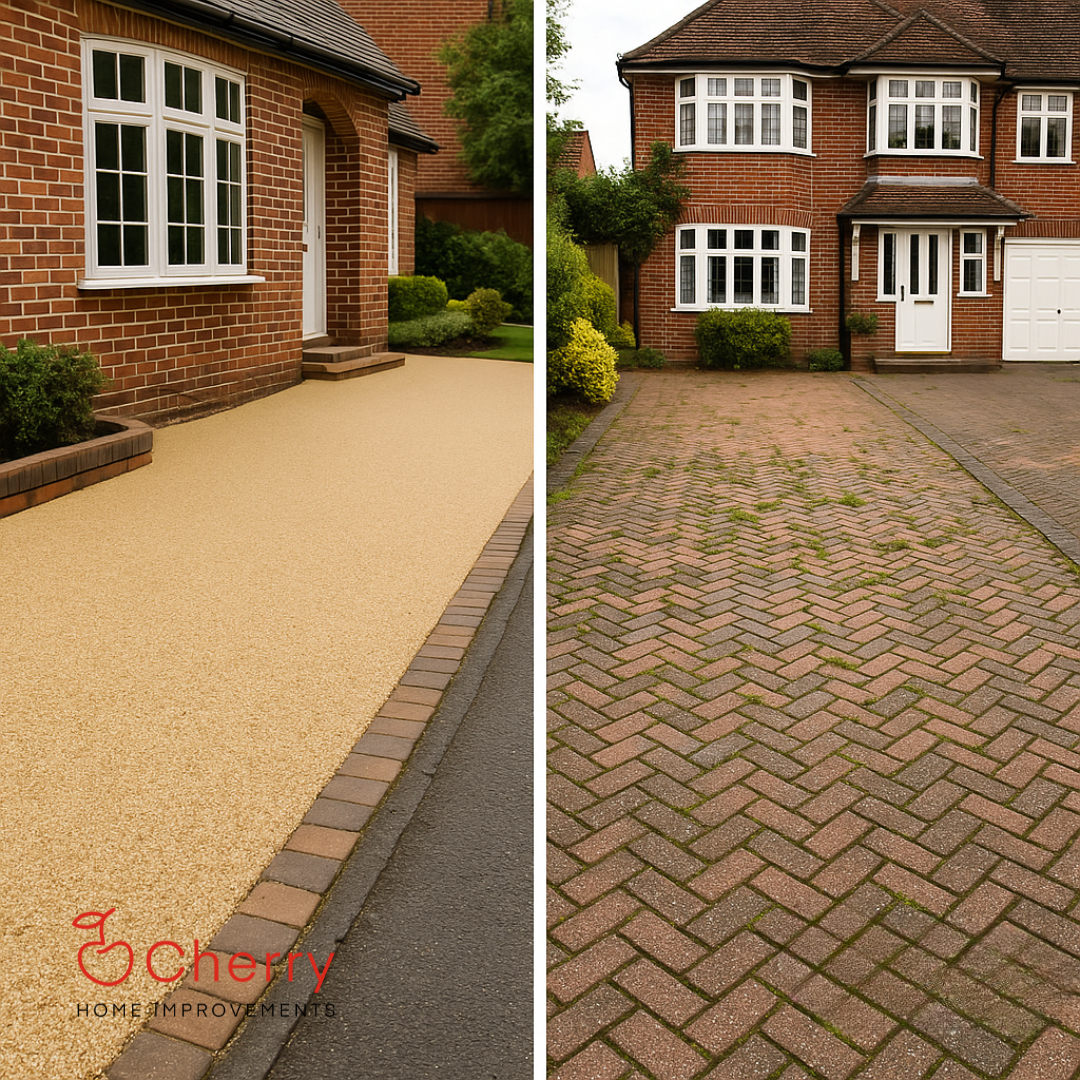
Resin and block paving compared by joints, colour consistency and surface finish.
The table below gives a quick snapshot of how each material behaves in everyday use. It is not a lab test, more a homeowner’s view of what it is like to live with each surface over time.
Cost per square metre shows the likely spend at installation, while lifespan explains how long the surface normally performs before major repairs or replacement. Drainage, maintenance and kerb appeal highlight the parts most people notice day to day.
| Surface | Typical cost per m² | Typical lifespan | Drainage | Maintenance | Kerb appeal |
|---|
| Resin bound | £70–£120 | 15–25 years | Permeable over a suitable base | Very low | Premium, seamless stone finish |
| Asphalt | £55–£75 | 10–20 years | Non permeable | Moderate, occasional patching | Plain, functional look |
| Block paving | £80–£145 | 20–30 years | Non permeable or permeable, depending on system | Higher, due to joints and weeds | Traditional, patterned style |
| Concrete / imprinted | £60–£90 | 20–40 years | Non permeable | Low, but cracks are hard to disguise | Neat slab with limited repair options |
| Gravel | £30–£60 | 10–15 years before major topping up | Free draining but loose | Regular raking and topping up | Informal, suits rural plots |
The key takeaway is that resin sits close to traditional options on cost, yet behaves differently in the areas that matter most to modern homes, especially drainage, comfort and kerb appeal.
6 Differences of Resin Vs Traditional Surfaces
1. Cost Vs Lifespan
Resin blends selected to stay stable in colour and texture as the years pass.
Looking at lifespan helps show the real cost of a driveway per year of use, rather than just the bill on the installation day. A surface that lasts longer and stays looking smart usually works out better value than a cheaper option that starts failing early.
For a typical 50 m² driveway the mid range figures below give an idea of how the numbers play out over time. They are not exact quotes, but they do highlight that a slightly higher upfront cost can create a calmer, lower maintenance experience for many years.
| Surface | Typical mid range cost per m² | Typical lifespan | Approximate cost per year |
|---|
| Resin bound | £70 | 20 years | £3.50 per m² per year |
| Asphalt | £55 | 15 years | £3.65 per m² per year |
| Block paving | £80 | 25 years | £3.20 per m² per year |
On long term value, resin bound is competitive while offering a different daily feel underfoot and a cleaner look for the front of the home.
2. Drainage, Flooding And SuDS

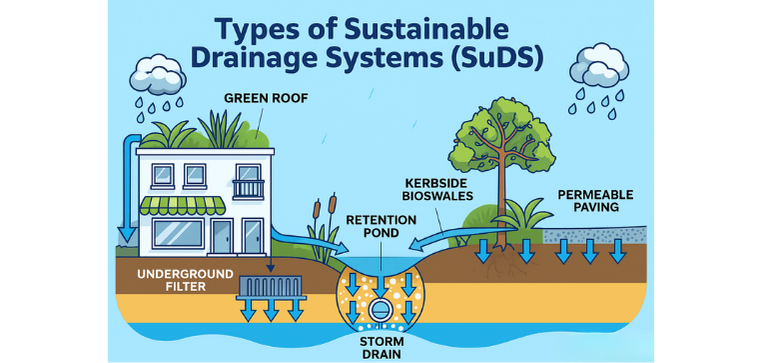
Permeable resin systems allow rainfall to soak back into the ground rather than run off.
UK planning guidance expects front gardens to deal with rainfall responsibly instead of pushing it straight into drains. Resin bound systems, laid over an open graded base, allow water to pass through the surface and into the structure below. This supports SuDS principles and helps reduce standing water, icy patches and surface run off towards the road.
Asphalt, concrete and standard block paving are normally non permeable. They can still work well, but often need channels, drains or soakaways designed into the layout. Where local drainage is already under pressure, permeable resin can give peace of mind and a neater finish at the same time.
3. Safety, Comfort And Slip Resistance
Textured resin finishes designed to give grip without loose stones or harsh edges.
A driveway carries more than vehicles. It needs to work for prams, wheelchairs, delivery trolleys and anyone who may be unsteady underfoot. Slip resistance is usually measured using the Pendulum Test Value. Surfaces with values of 36 and above in wet conditions are generally classed as low slip risk.
Quality resin bound systems can be engineered with aggregates that reach these values when installed correctly. The result is a firm, even finish without loose stones or sudden edges, which can be particularly reassuring for young children, visitors and older relatives.
4. Maintenance & Care
Your full care & maintenance guide
explains the simple steps that keep a resin driveway looking its best year after year.
Resin bound surfacing is intentionally low maintenance. Most homes only need light sweeping and the occasional rinse to keep the surface
clean, comfortable underfoot and free from debris.
- Use a soft outdoor brush or a light pressure wash rather than high-powered jets.
- Avoid solvent-based cleaners or harsh chemicals.
- Clean minor stains promptly with a mild, resin-friendly detergent.
- Remove any wind-blown weeds before they establish.
For professional exterior cleaning across driveways, patios and paths, visit
Cherry Cleans.
5. Design, Colour And Visual Impact
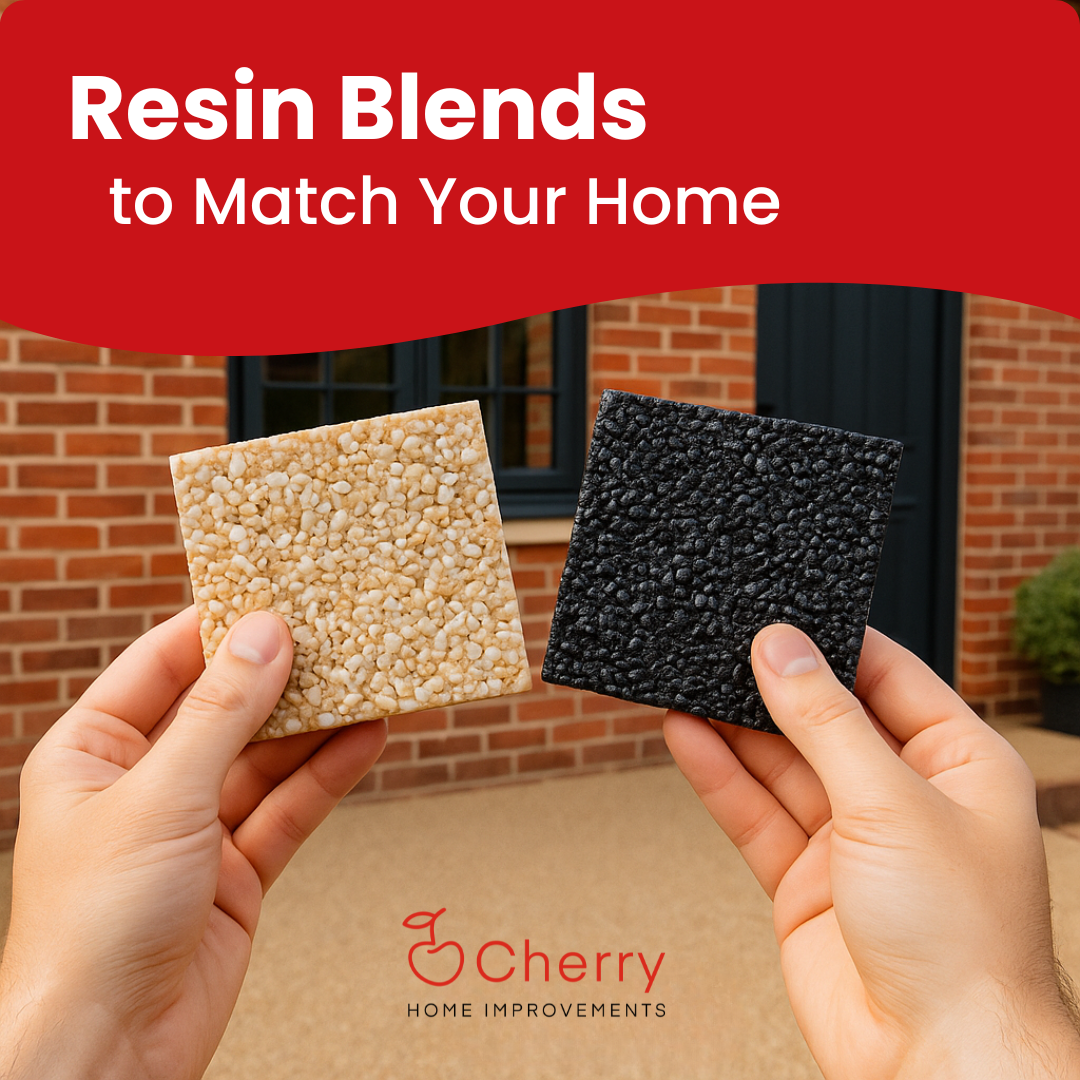
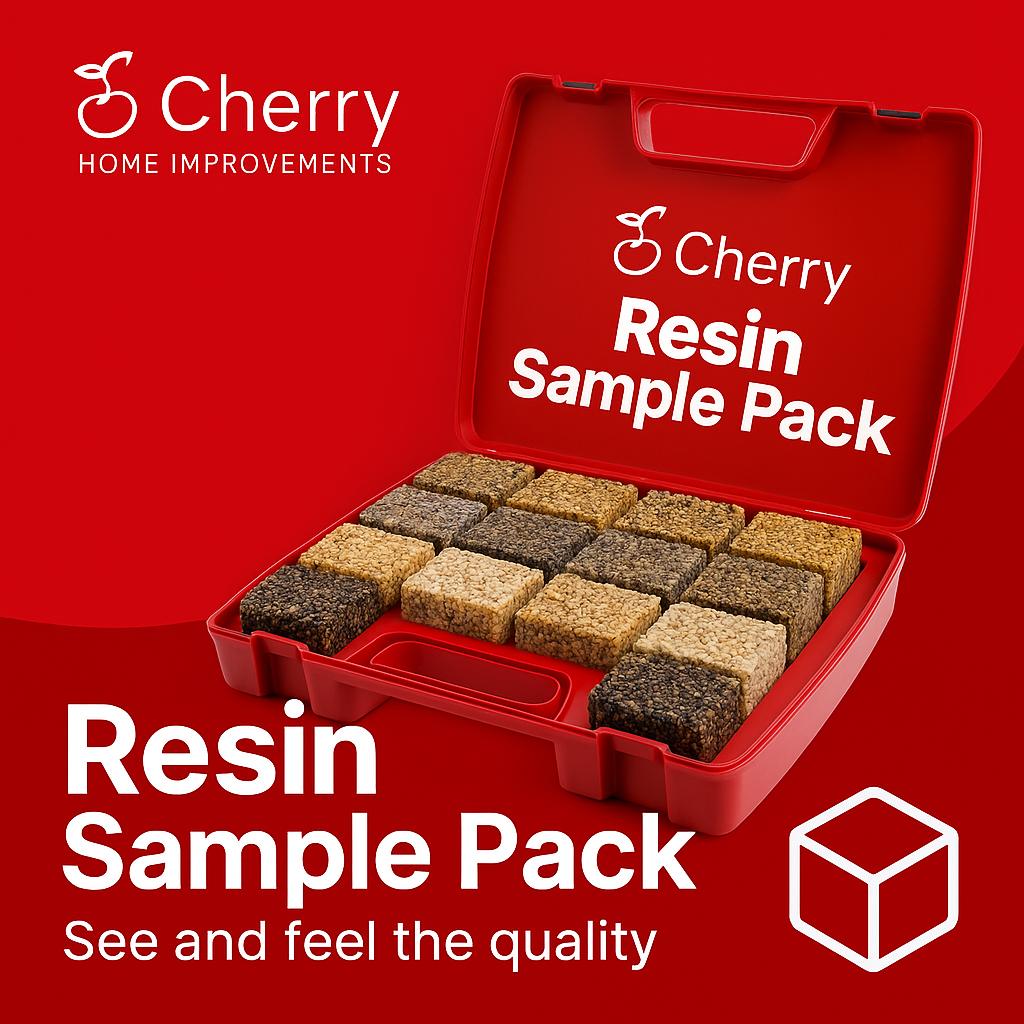
Order a resin sample pack to see blends
next to your brickwork, doors and windows before choosing a final finish.
Resin bound surfacing gives access to a broad palette of colour blends. Whether the goal is warm and natural or cool and contemporary, the
material makes it easy to echo the character of the home without awkward cuts or mismatched joints.
The right blend can sit quietly in the background or act as a standout feature. Many homeowners use resin to pull together the driveway,
paths and planting so the whole frontage feels calm, coordinated and pleasing to arrive home to.
“Details are not the details. They make the design.”
– Charles Eames
6. Heritage Compatibility, Sustainability & Style Matchability
Resin designs can be adapted for heritage and conservation settings when appropriate.
Resin bound is not automatically the best answer for every property. Traditional surfaces still have a clear role in some settings and may even be a planning requirement.
- Heavy commercial traffic – reinforced concrete may be the most practical choice for weight and turning movements, however resin with a reinforced base is also replacing concrete which cracks and dips over time.
- Very large rural plots – gravel can be cost effective where a softer, countryside look is preferred and regular raking is not a problem.
- Prestige and luxury buildings – resin, block paving, natural stone setts or cobbles may be specified to match the surrounding streetscape.
- Conservation and heritage areas – resin is the most permeable and colour matches are exact making complementary aesthetics easy.
It is also worth distinguishing resin bound from resin bonded. Resin bound mixes stone and resin together to form a smooth, permeable finish. Resin bonded scatters stone onto a resin coated base, creating a textured, non permeable surface that behaves differently and may require separate drainage planning.
Technical Datasheets And Further Reading
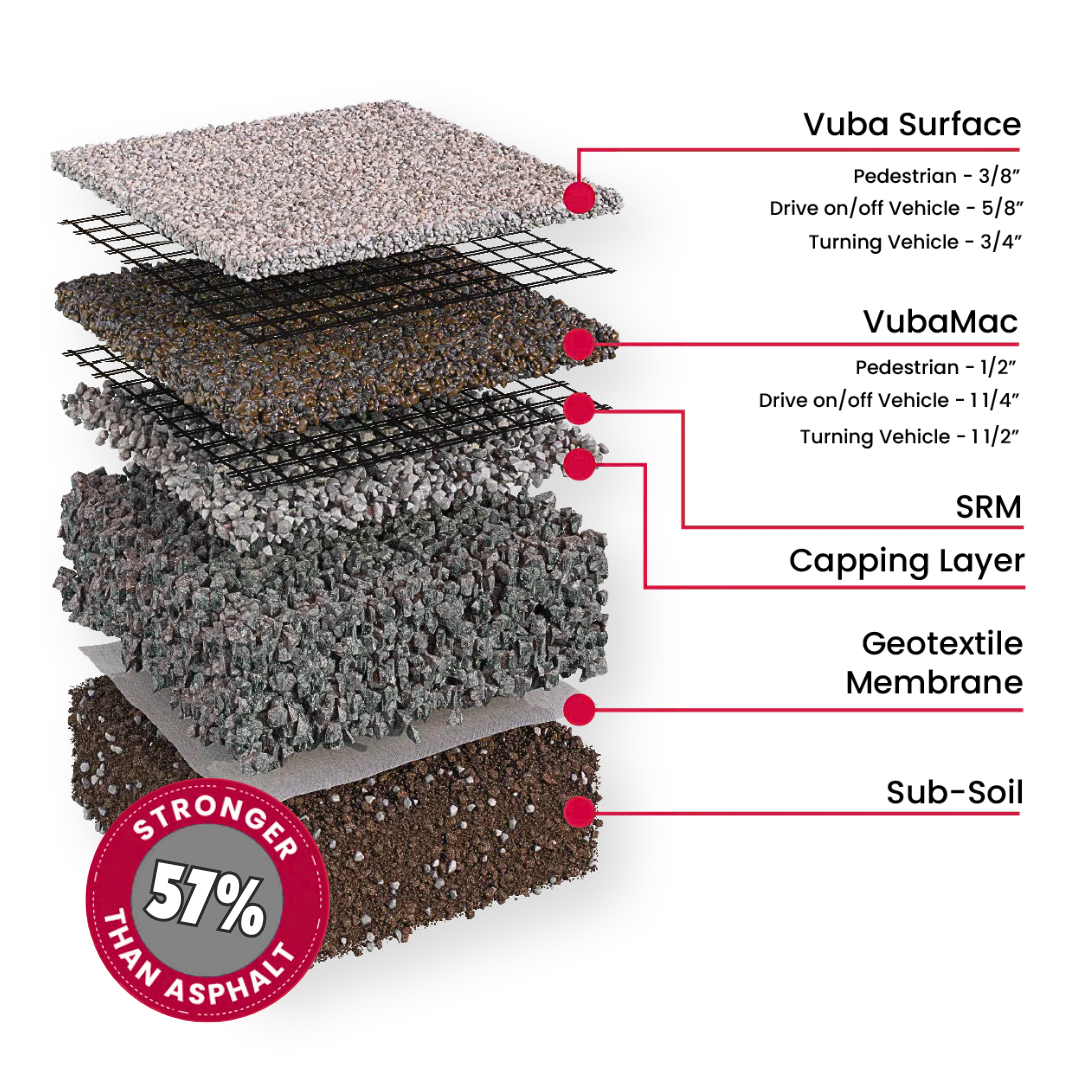
The base build up beneath a resin driveway supports both strength and drainage.
If you like to see the engineering behind the surface, the Homeowner Resources hub brings together base build diagrams, drainage guidance and installation checklists in one place. Each resource explains what is happening under the surface so it is easier to understand how the driveway will perform in real life.
How To Decide For A Specific Home
A quick way to narrow the choice is to focus on the main priority for the property.
- Drainage and comfort underfoot – permeable resin bound over a suitable base, especially where surface water is a concern.
- Maximum lifespan with a traditional look – reinforced concrete or high quality block paving laid on a well prepared base.
- Lowest upfront spend – asphalt or gravel, accepting more upkeep or a simpler visual finish.
A well chosen driveway supports the home visually, manages water effectively and performs reliably over time. For many modern properties, resin bound now offers a strong balance of appearance, comfort and practicality that traditional surfaces often struggle to match.
Need More Detail For Your Own Property?
If you would like to explore drainage, planning, slip resistance or day to day use in more depth, the
dedicated FAQs bring together straight answers to the questions homeowners ask most often.
You can read about:
- How resin bound surfaces cope with rain and standing water
- What to expect in terms of lifespan and guarantees
- Practical points on access, edging and manhole covers
- Care, cleaning and light maintenance over the years
Visit the full FAQ hub here:
Hampshire Resin FAQs and homeowner answers
.