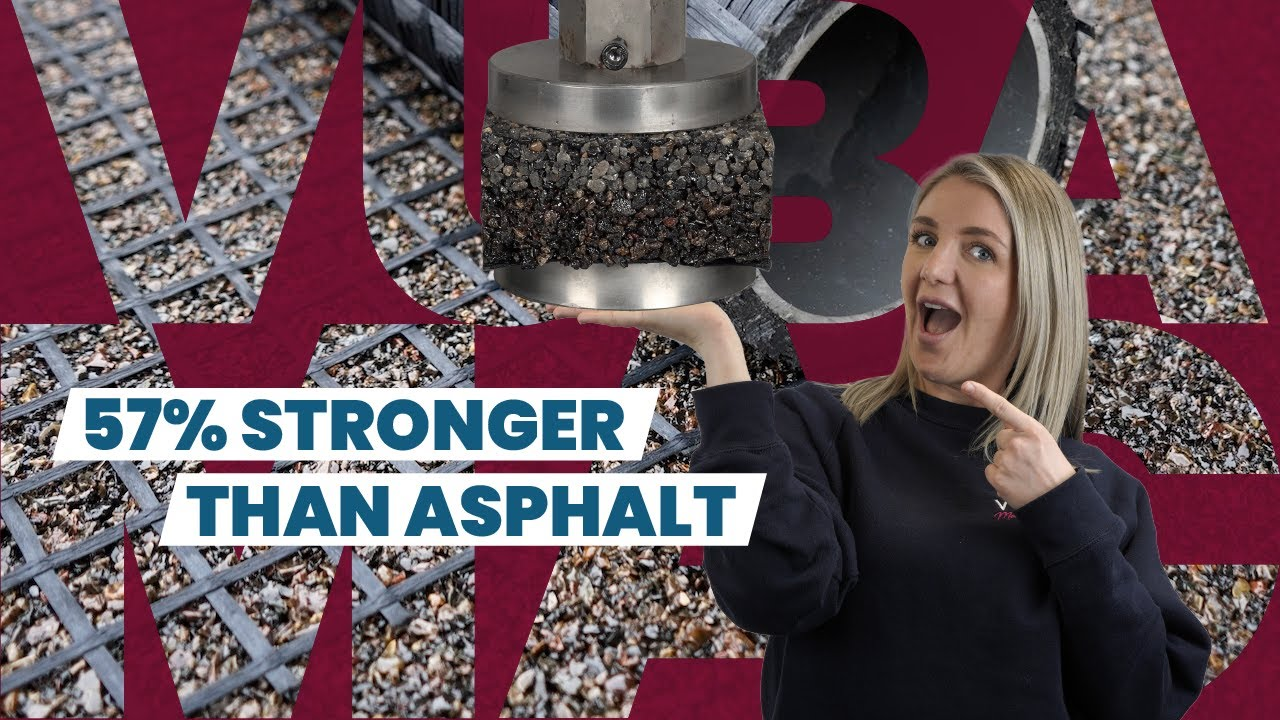
Vuba Resin Surfacing Method: 4 Key Steps Explained

The Vuba resin surfacing method follows four clear stages, from base preparation to final finishing, to create a stable, long-lasting surface. Each step in the Vuba resin method is designed to support good drainage, strong adhesion and a smooth, modern finish across driveways, patios and outdoor spaces.

For homeowners interested in broader installation guidance, the Hampshire Resin Method page offers a full walk-through of every stage.

For information on caring for exterior surfaces, helpful guidance is available from Cherry Cleans.

When the driveway finally matches the house

Most homes reach a point where the driveway lets the whole place down. The brickwork, planting and windows are doing their best, but the concrete or asphalt at the front is cracked, stained and patched.

Vuba resin changes that.

A Vuba system turns the entrance into part of the home, not an afterthought, with a surface that feels firm under the wheels, smooth under bare feet and quietly impressive every time the car pulls up on the drive.

“Quality is never an accident; it is always the result of intelligent effort.” - John Ruskin

Ready to explore what that could look like at your property?
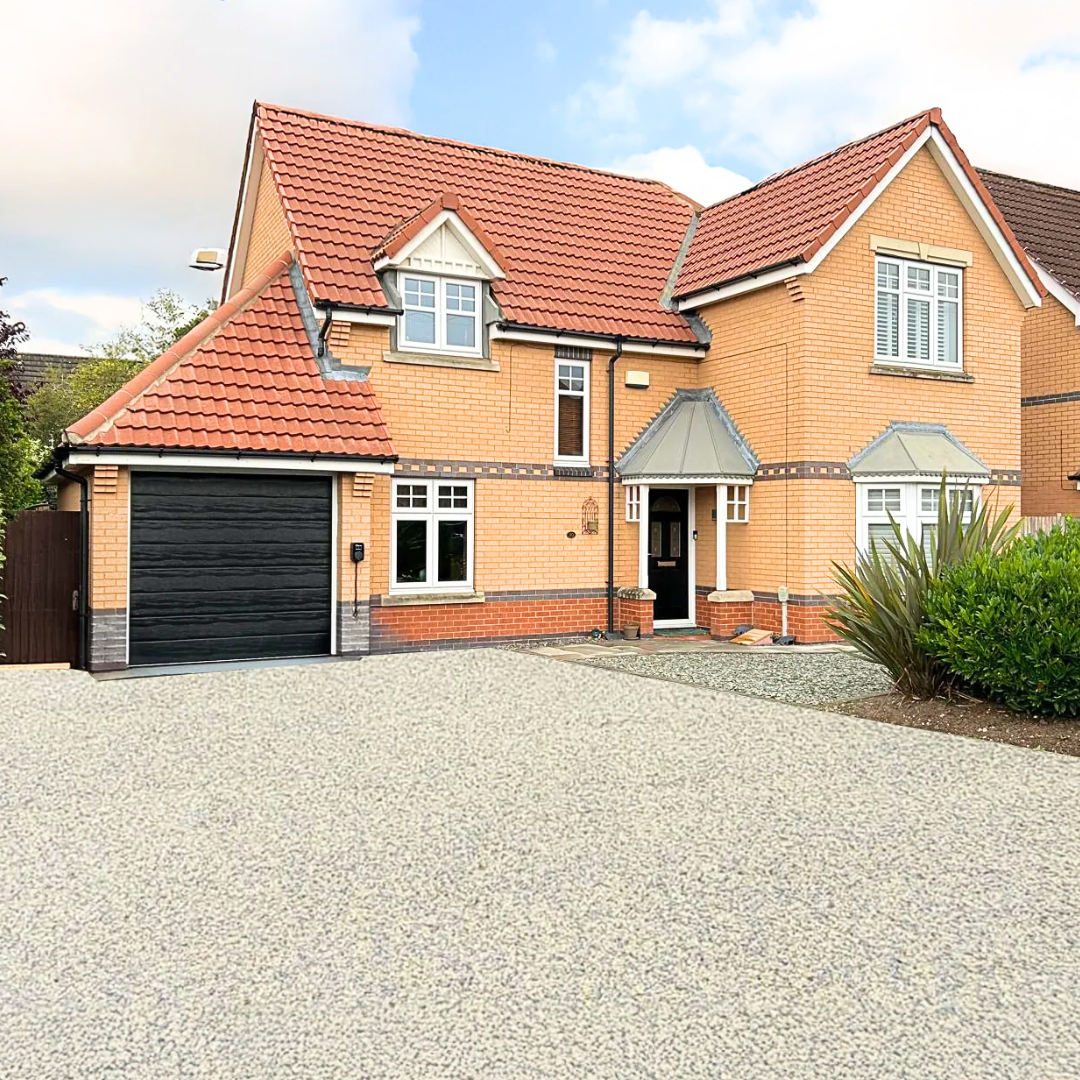
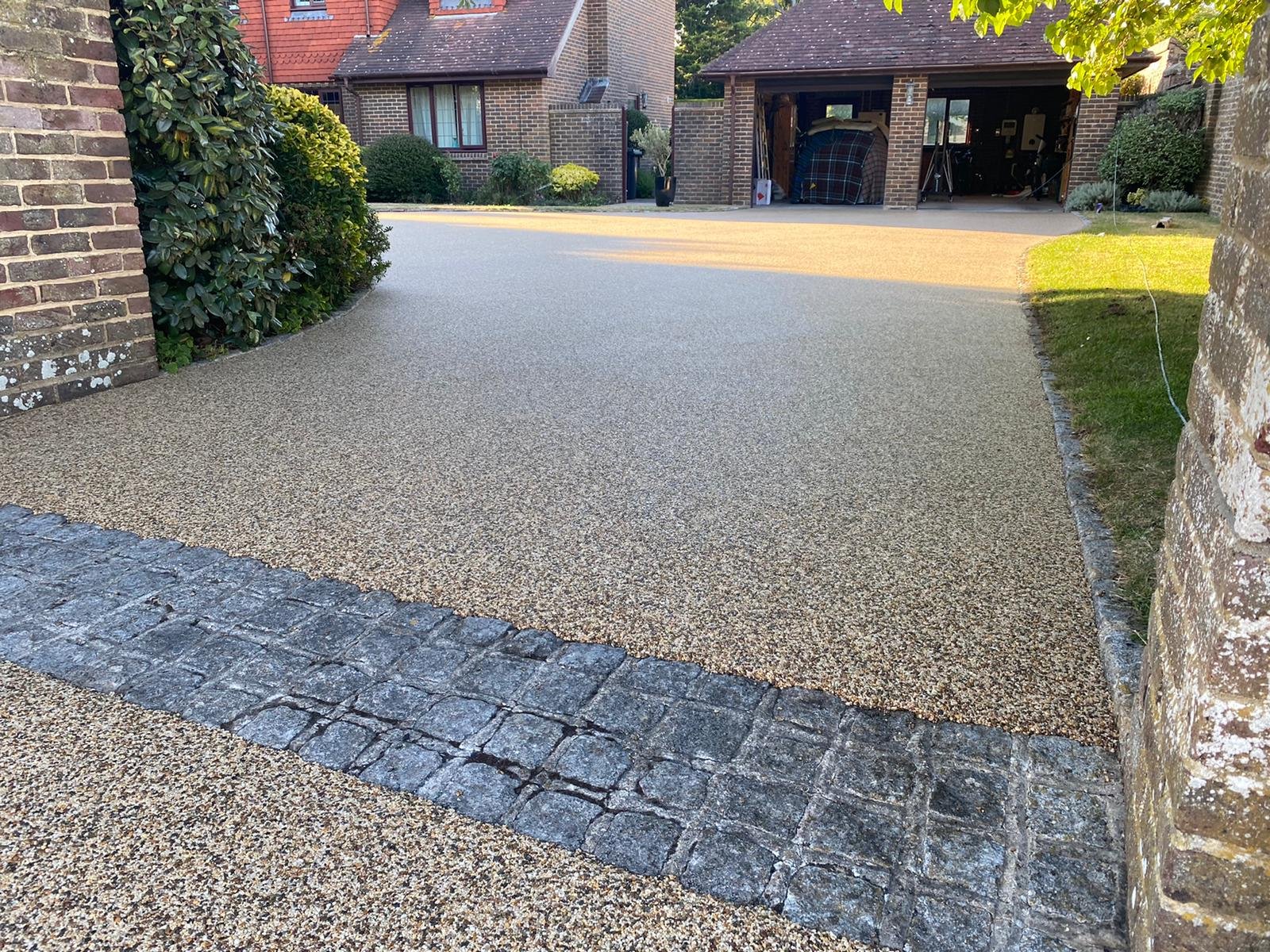
Modern Hampshire home with a freshly laid Vuba resin-bound driveway

Why choose the Vuba Resin Surfacing Method

Vuba systems suit homes that demand more than a basic patch of asphalt. The method focuses on real life, not just statistics on a brochure.

  • Quick, clean installation with minimal upheaval.
  • Long-lasting, crack-resistant surfaces that stay looking proud.
  • Rapid drainage to keep driveways, patios and pathways free from standing water.
  • Materials chosen with performance and environmental care in mind.
Clean Vuba resin driveway installation in progress in Hampshire

Quick, clean installation

Old-style surfacing often meant trenches, days of disruption and a drive that looked like a building site until the final sweep. The Vuba Resin Surfacing Method is designed to be efficient and tidy from the first moment on site.

Existing surfaces are assessed, the correct Vuba system is specified and access routes are planned so family and pets can move around safely. Vuba resin is mixed on site and laid in controlled batches, keeping the finish even from one end of the drive to the other.

Many domestic projects complete in a single working day, with clear guidance on when the surface can be walked and driven on.

Long-lasting and crack-resistant

A surface that looks fantastic in week one is pleasant. A surface that still looks fantastic in year ten is better. Vuba resin systems are engineered to cope with the pressure of daily life.

High-performance binders lock graded aggregates together, helping resist cracking under load. UV-stable blends protect colour so lighter tones stay closer to the original shade. The finished surface flexes slightly with temperature changes and subtle movement in the base, instead of splitting along joints and repair lines.

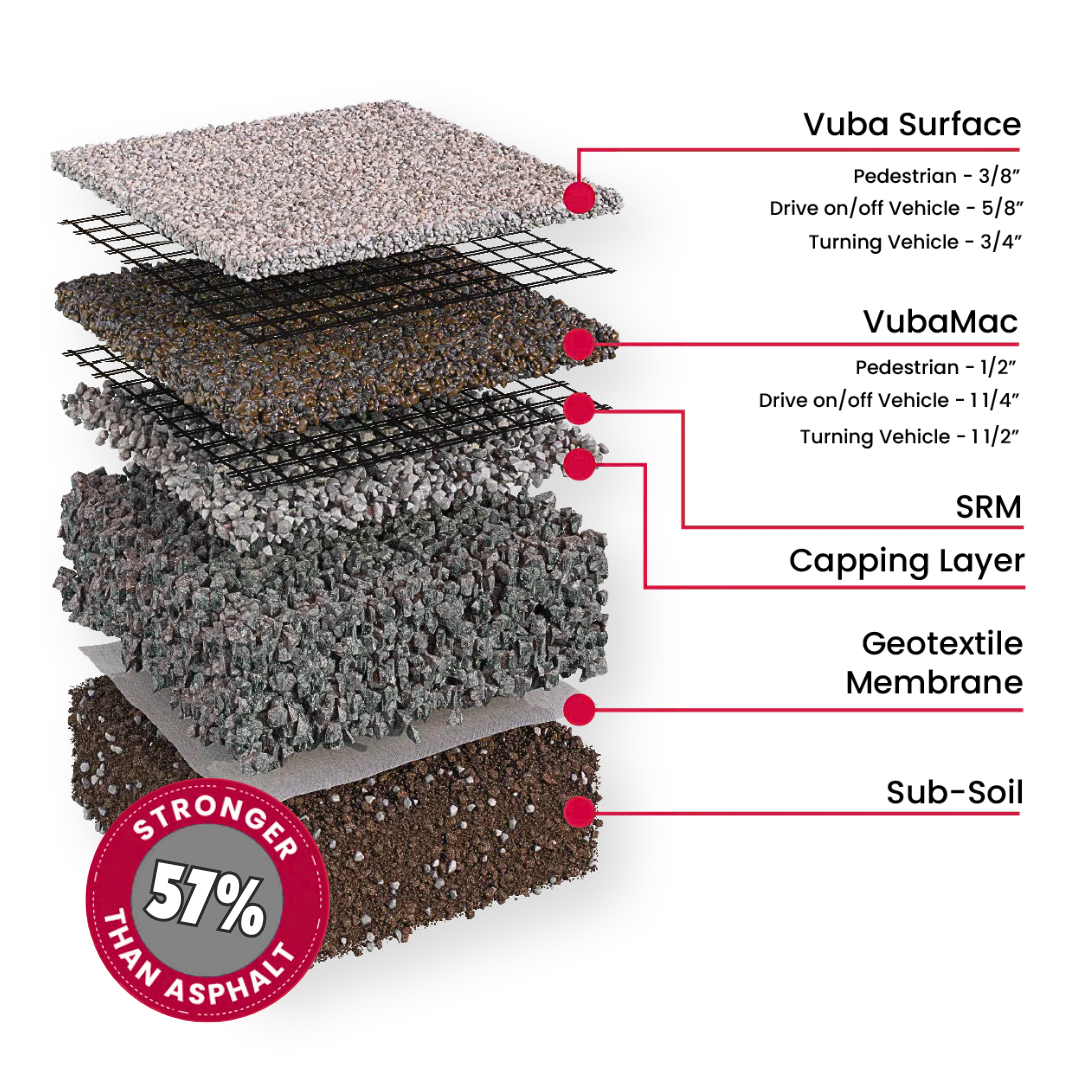
Close up of a Vuba resin core sample showing strength and durability
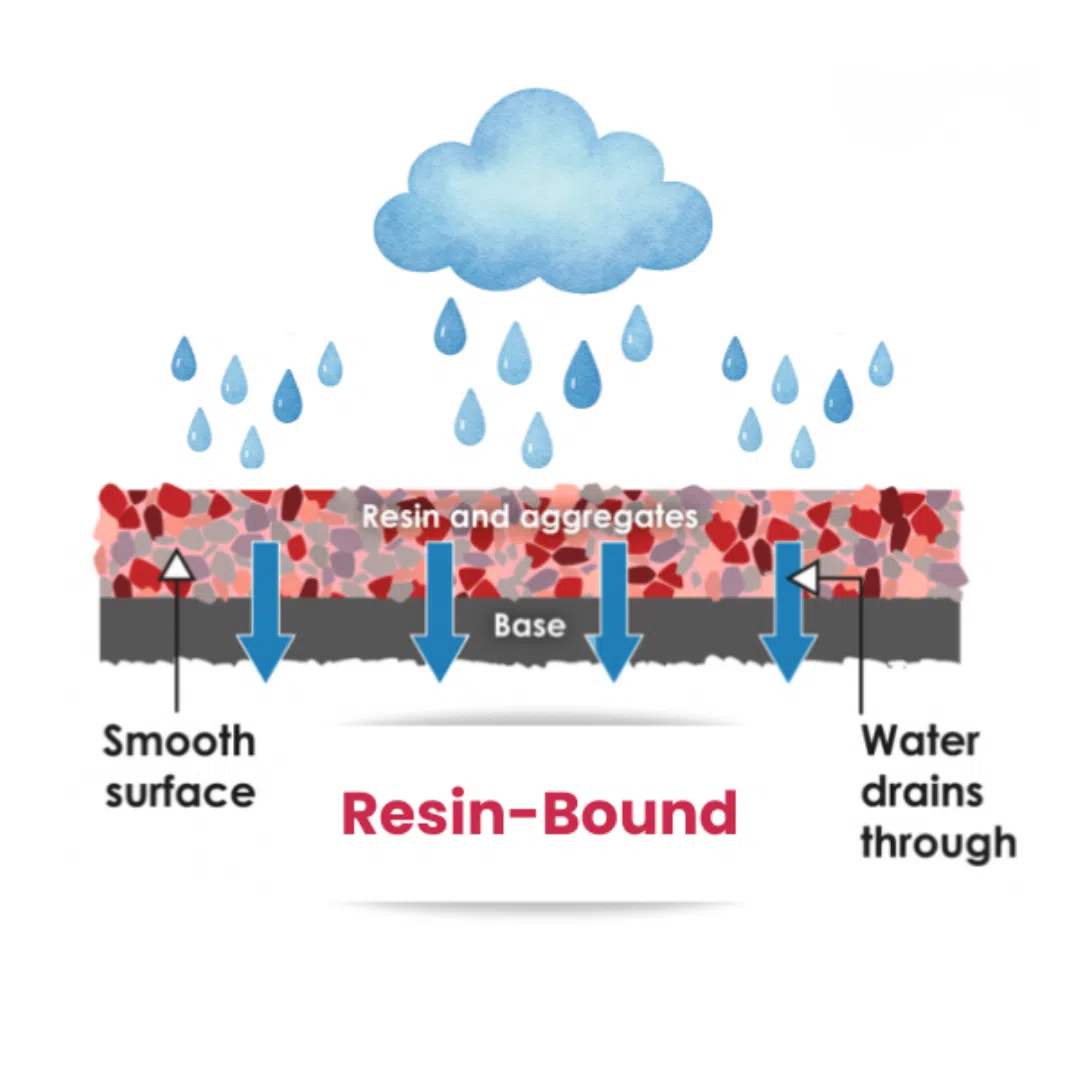
Rainwater draining through a permeable Vuba resin-bound surface

Rapid drainage, no more surface water

Heavy rain can turn many driveways into temporary paddling pools. Vuba resin-bound systems are highly permeable, allowing water to pass through the surface into the prepared base beneath.

For a homeowner, that means fewer puddles sitting across the entrance or around the car, less standing water near thresholds and step edges and improved grip for shoes, tyres and small feet. The method focuses on falls, levels and drain locations before the first stone is mixed so the finished surface looks level yet quietly encourages water to move on.

Built with the future in mind

The Vuba Resin Surfacing Method is designed to respect both the property and the materials that go into it. Selected aggregates include recycled and naturally sourced stone, paired with long-life binders and a care routine that stays simple.

The finished surface is built for many years of use, not a short cycle followed by a full rip-out. Low-maintenance cleaning keeps harsh chemicals to a minimum and the smooth, stable finish reduces loose material being carried into the hallway.

Light grey Vuba resin path with planting and a welcoming front door

How the Vuba Resin Surfacing Method works on site

Every home is different, yet the core method stays the same. That is what keeps quality consistent from one project to the next.

1. Design and surfacing assessment

A surfacing specialist visits the property, listens to how the space is used and checks levels, drainage, existing bases and access points before recommending the right Vuba system.

Book surfacing assessment

2. Choose blends and borders

Aggregate blends, brickwork borders and resin embed designs are chosen to suit your home, brickwork, roof tiles and window and door frames. Samples can be viewed in natural light at your property.

Explore designs & finishes

3. Base preparation and set out

Old surfaces are removed or repaired, bases are brought up to specification and edging, steps and thresholds are set out neatly to frame the new surface.

Request a sample pack

4. Vuba resin installation and cure

Vuba resin is mixed and laid by trained installers, hand trowelled to a seamless finish, then left to cure with clear timings and simple aftercare guidance.

Ask a surfacing question →

Ready to plan a Vuba resin driveway or patio?

Get a Resin Surfacing Assessment

Outdoor Resin Flooring – Pool, Spa & Garden Building Areas – FAQs

What exactly is the Vuba resin surfacing method and why is it trusted for outdoor surfacing?

The Vuba resin surfacing method is a structured installation process used to create a resin-bound surface by mixing UV-resistant resin with decorative aggregates such as quartz, marble or granite. When these components are combined correctly, they form a fully bonded, seamless and permeable layer. This makes the Vuba resin surfacing method different from loose gravel or non-permeable concrete, because water drains naturally through the microscopic voids between the bound stones.

Independent testing confirms the quality of resin-bound surfaces installed using the Vuba resin surfacing method. Vuba’s system has received BBA (British Board of Agrément) certification, which verifies the product’s durability, long-term performance and compliance with recognised construction standards. Many homeowners compare installation techniques before choosing a system, and the Vuba resin surfacing method is often preferred for its balance of appearance, flexibility and weather resistance.

Those reviewing broader guidance on installation steps often begin with the Hampshire Resin Method, which offers a clear overview of preparation and finishing processes.

How does the Vuba resin surfacing method achieve long-term durability and strength?

Long-term performance depends heavily on the preparation and mixing stages of the Vuba resin surfacing method. A resin-bound surface can only remain stable if the substrate underneath is correctly built, compacted and able to handle drainage. This is why substrate preparation is considered one of the most important elements in any resin-bound installation. Without the right base, even the strongest resin will not perform as intended.

The Vuba resin surfacing method also focuses on achieving the correct resin-to-aggregate ratio. This ensures the gravel is fully coated, creating the strong bond required to resist cracking, scuffing and surface movement. When installed correctly, a resin-bound surface remains flexible enough to handle mild seasonal expansion while still providing the stability needed for driveways, patios and garden areas.

Further details on base requirements, substrate types and environmental considerations can be found in the homeowner resource hub.

Is the Vuba resin surfacing method suitable for patios, pathways and garden building surrounds?

The Vuba resin surfacing method is versatile enough to work across a variety of outdoor layouts, including patios, pathways, and areas surrounding garden buildings, cabins, and outdoor rooms. The resin-bound mixture adapts well to curves, borders and steps, allowing the finished surface to blend smoothly with existing landscaping features.

Because the Vuba resin surfacing method produces a joint-free, fully bonded finish, it helps prevent the common problems associated with paving slabs, such as wobbling, shifting, weed growth and surface gaps. The smooth texture is particularly well-suited to high-use areas where foot traffic moves between indoor and outdoor spaces.

Common installation questions about curing, surface temperatures and fitting resin around garden structures are addressed in the installation FAQ library.

How does the Vuba resin surfacing method handle British weather and freeze-thaw cycles?

The Vuba resin surfacing method is well suited to British conditions because the final finish allows rainfall to drain naturally through the bound aggregate layer. This helps prevent puddling, surface erosion and ice-related cracking. Permeability is a central feature of resin-bound surfacing and is particularly beneficial for the long, wet winters typical across much of the UK.

UV resistance is also a key factor in long-term surface appearance. The clear, UV-stable resin used in the Vuba resin surfacing method protects against yellowing and colour fading. When installed over a stable base with the correct edging, the surface distributes weight evenly and remains resistant to minor ground movement. These characteristics are why many households choose resin-bound systems for both driveways and garden living areas.

Further information on environmental performance and base preparation can be found here…

What aftercare does a surface installed using the Vuba resin surfacing method require?

Aftercare for surfaces installed using the Vuba resin surfacing method is straightforward. Newly installed resin-bound surfaces need time to cure, and industry guidance recommends avoiding foot traffic until the surface is firm and keeping vehicles off the area until full curing is complete, usually within 48–72 hours, depending on weather conditions.

Once cured, the surface benefits from occasional washing to remove dust, algae and environmental debris. A gentle power wash is suitable as long as the nozzle is kept at a reasonable distance. Avoiding hot tyre spinning, dragging heavy objects or placing extreme point loads on the surface helps maintain both the appearance and structure.

Common aftercare and installation questions are answered in the detailed installation FAQ section.

Where can I learn more about preparing for the Vuba resin surfacing method?

Preparation is essential for the success of the Vuba resin surfacing method, particularly when selecting the right base, confirming drainage requirements and ensuring edge restraints are suitable for the intended area. Substrate guidance covers topics such as moisture levels, compaction, fall direction, permeability and the suitability of tarmac or concrete bases. Understanding these elements helps homeowners predict how the final surface will perform over time.

The homeowner resource hub provides structured advice on base construction, environmental conditions and general installation standards. For those comparing different resin-bound approaches, the installation FAQ section offers additional clarity on practical considerations such as timing, curing and surface suitability.

Further guidance is available on the Homeowner Resources page here…

More detailed answers to common resin installation questions can be found here…

The Driveway Glow

Smooth, seamless, and made to last through every British season.

Garden Zone Style

Define dining, relaxing or entertaining in true low-maintenance charm.

Pathways with Flow

Beautifully edged and sure-footed, guiding every step with quiet confidence.

Pool & Spa Perfection

Naturally slip-resistant and dry underfoot thanks to the porous finish.